 By admin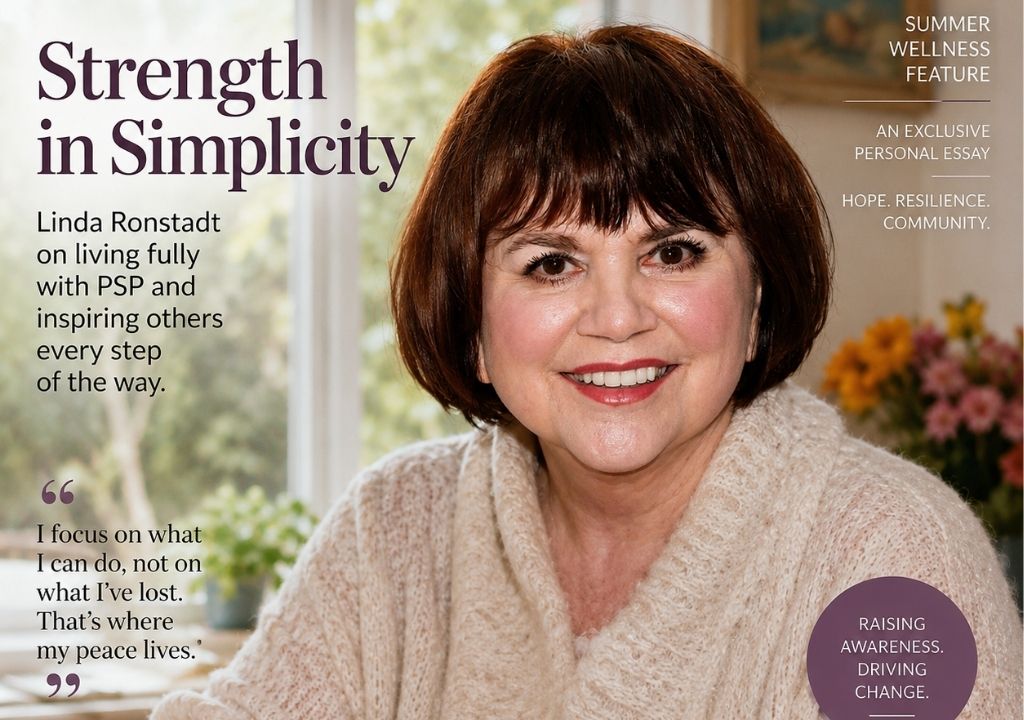

INTRODUCTION
The crystalline voice that once effortlessly commanded multi-platinum arenas and redefined the structural boundaries of American music has found a powerful new frequency. In a deeply moving biographical essay published in a leading summer medical journal, 79-year-old cultural icon Linda Ronstadt has step-stripped the clinical anonymity out of neurodegenerative discourse. Since her forced retirement in 2011, the legendary vocalist has lived with Progressive Supranuclear Palsy (PSP)—a complex, aggressive tauopathy frequently misdiagnosed as Parkinson’s disease. Rather than treating her neurological constraints as a private sanctuary of silence, Ronstadt has mobilized her massive global platform to anchor a synchronized summer public health campaign. Her raw, unvarnished testimony provides a definitive masterclass in human agency, converting her personal physiological battle into an international standard of educational empowerment.
THE DETAILED STORY
To truly evaluate Ronstadt’s contemporary public health advocacy requires bypassing standard entertainment nostalgia and examining the rigorous clinical architecture of her diagnosis. Initially told she had Parkinson’s disease, the eleven-time Grammy winner faced years of systemic motor deterioration before a team of top-tier specialists corrected the medical record, identifying Progressive Supranuclear Palsy. PSP systematically attacks critical brain networks responsible for balance, ocular movement, and throat mechanics, permanently dismantling her multi-octave vocal instrument. In her latest summer prose, Ronstadt details her strategic defense against this progressive decline, showcasing a highly disciplined, organic lifestyle anchored in Northern California. By prioritizing unadorned daily routines, comprehensive neuromuscular physical therapy, and deep cognitive exercises, she actively fights the physical lock-down of her faculties without relying on artificial public relations filters.
This profound vulnerability has sent shockwaves through the medical and entertainment communities alike, driving unprecedented global attention to organizations like CurePSP and the Michael J. Fox Foundation. Industry journals such as Billboard and Variety note that while legacy pop stars routinely rely on polished, safe nostalgia loops to protect their commercial footprints, Ronstadt’s choice to expose her raw neurological reality is a radical act of cultural leadership. Her essay acts as a powerful therapeutic blueprint for millions of families navigating atypical parkinsonian syndromes, emphasizing that individual identity and intellectual autonomy remain completely uncompromised by physical limitations. As the global music community actively counts down to her historic 80th birthday on July 15, 2026, Ronstadt’s summer campaign reinforces an invaluable truth. Her permanent footprint in American culture is no longer sustained merely by the timeless analog recordings of her youth, but by an unbreakable, majestic spirit that continuously redefines what it means to live, fight, and inspire with absolute human dignity.