 By admin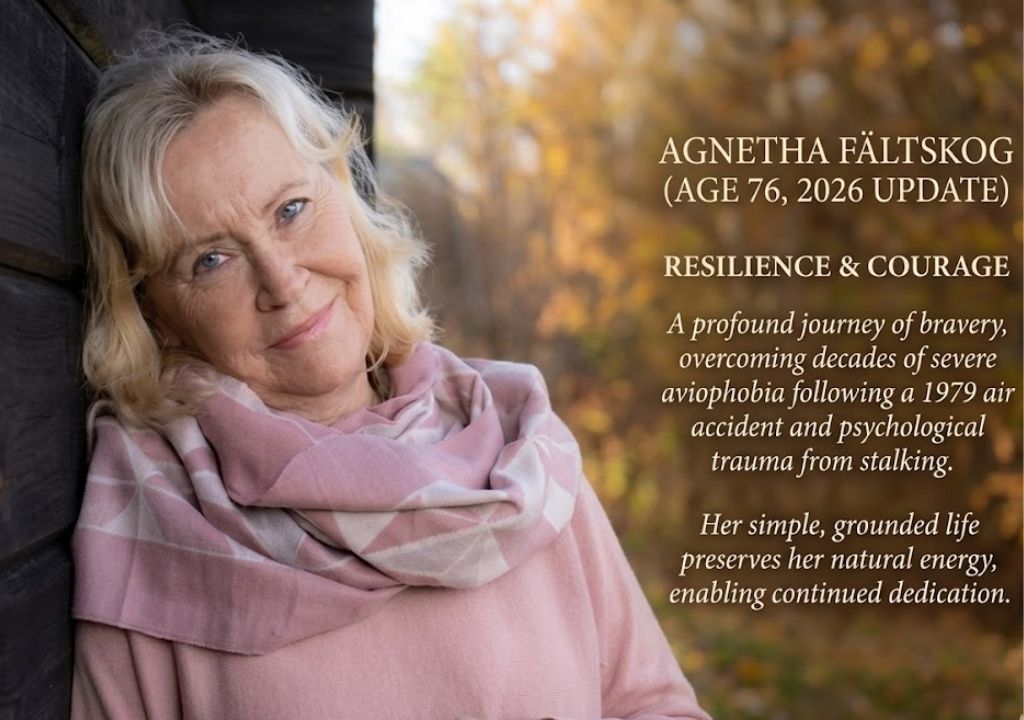
INTRODUCTION
On October 03, 1979, a severe storm struck near Boston, Massachusetts, trapping ABBA’s private aircraft in terrifying, violent turbulence during their North American tour. For Agnetha Fältskog, the screaming winds inside that cockpit transformed into a lifelong, paralyzing aviophobia. For decades, the voice that defined global pop music retreated into the absolute safety of the Swedish countryside, seeking an equilibrium detached from the exhausting machinery of international stardom. Yet, in 2026, Fältskog stands not as a victim of her historical anxieties, but as a masterclass in psychological preservation. By deliberately stepping away from the blinding spotlights and confronting the profound mechanical and emotional traumas of her past—including a highly publicized, distressing stalking ordeal—she has quietly engineered a triumphant third act defined by autonomy, mental fortitude, and an enduring creative vitality.
THE DETAILED STORY
The narrative surrounding Agnetha Fältskog has often been unfairly painted with the simplistic brush of the tragic, fragile recluse. Entertainment outlets historically scrutinized her strict preference for her isolated island estate in Ekerö, mistakenly interpreting her physical distance from the industry as psychological brokenness. However, a deeper investigative lens reveals that this lifestyle choice is a highly calculated, empowering strategy for comprehensive health preservation. Navigating the violent aftermath of the 1979 aviation emergency required immense, sustained psychological labor. Fältskog spent decades utilizing targeted therapeutic frameworks to dismantle the deep psychosomatic grip of her aviophobia, eventually allowing her to reclaim her mobility entirely on her own terms. This victory over mechanical trauma was further compounded by her courageous confrontation with severe, long-standing stalking incidents, which threatened her fundamental sense of physical safety. Instead of permanently succumbing to a debilitating state of hypervigilance, Fältskog reclaimed her narrative by establishing strict, unyielding boundaries around her private sphere, fiercely protecting her inner peace without ever compromising her core humanity.
By 2026, the extraordinary dividends of this disciplined self-care regime are unmistakably clear. At 76, Fältskog possesses a radiant, natural energy that entirely defies the conventional, often destructive trajectory of aging pop icons. Her holistic approach focuses intensely on organic wellness, deep immersion in nature, and absolute emotional authenticity. This deliberate, slow-paced lifestyle directly fueled her artistic resurgence, enabling her to comfortably re-engage with global audiences during ABBA’s groundbreaking digital avatar residency in London and her brilliant solo album releases, such as the critically acclaimed A+. Her ongoing journey provides an invaluable blueprint for the modern entertainment industry, demonstrating that an artist’s long-term mental and physical well-being must always take absolute precedence over relentless commercial exploitation. Fältskog’s survival is not characterized by lingering fear, but by an intentional, elegant triumph over the specific perils of unparalleled global fame. She has masterfully transformed her quiet Swedish sanctuary from a mere fortress of defense into a brilliant powerhouse of sustained, luminous creativity.